August 2026
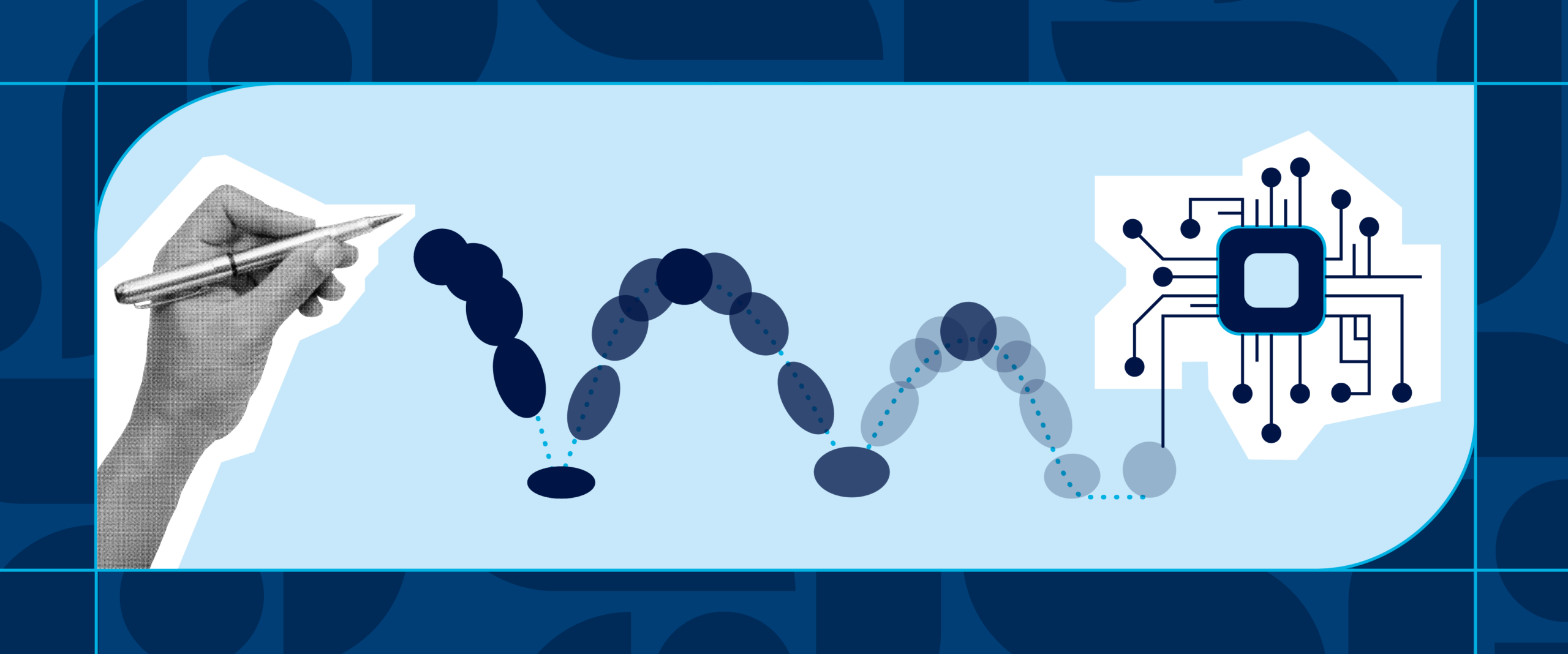
AI has changed animation the way digital cameras changed photography: the art form survived, but the speed, cost and accessibility of making it transformed almost overnight. Concept art that once took weeks now takes an afternoon. Lip sync is nearly automatic. Small teams can produce work that once required a hundred people.
But the most interesting story isn’t the technology. It’s how the best creative teams are deciding where AI belongs in their process — and where it doesn’t.
AI functions as a production assistant, generating variation-heavy drafts, character options, storyboard passes, that artists then curate and refine.
AI should be viewed as the most capable production assistant a creative team has ever had. It’s the brainstorming partner that never runs out of variations — ages, body types, costumes, lighting moods — while the artist curates and refines. It turns a script into rough storyboard frames so board artists start from a draft instead of a blank page.
Every one of those assists returns hours to the team. Thriving teams treat that reclaimed time as creative capital — reinvesting it in performance, story and polish rather than simply producing more.
The right question isn’t which jobs AI can do, but where human judgment creates the most value in the animation pipeline.
The teams getting this right don’t ask “Which jobs can AI do?” They ask a sharper question: “Where in our pipeline does human judgment create the most value?”
That reframing leads to a consistent pattern.
A character designer at a studio using AI well doesn’t spend less time designing. They spend less time producing variations and more time answering the questions that actually matter: Is the silhouette recognizable? Does the design express the character’s personality? Will it animate well? AI can generate a hundred options in minutes; only a designer can tell you which one belongs in this piece.
Successful studios codify their creative standards first, so AI output has a fixed benchmark to be measured against, rather than adopting tools and figuring out quality later.
The teams that struggle with AI tend to adopt tools first and figure out quality later. The teams that succeed do the opposite: they codify their creative standards up front, so AI output has something to be measured against.
In practice, that looks like a few concrete habits:
The real risk of AI isn’t bad output, it’s fast output disconnected from why the project exists.
When it costs almost nothing to generate another concept or style pass, teams can drift into producing volume instead of meaning.
Disciplined teams counter this by making strategy the filter for iteration. Every AI-assisted exploration gets evaluated against the same scrutiny as hand-made work. Cultural review, emotional pacing and music synchronization remain deliberate, human-led steps, because those are the decisions that determine whether an audience feels anything at all.
This doesn’t mean the animator’s role is shrinking. It’s shifting, from labor-intensive production toward creative direction. The skills gaining value are storytelling, artistic taste, performance, communication and the ability to critically edit and refine AI-generated material.
Major studios — Disney, Pixar, DreamWorks and Sony Pictures Animation among them — are exploring AI in parts of their pipelines. But the prevailing model everywhere is AI-assisted animation, not autonomous animation. The machine handles the repetitive middle; humans own the beginning (why this story?) and the end (is this good enough?).
That’s the lesson for any creative team navigating this moment. AI will happily make you faster. Only your standards, your judgment and your connection to strategy will make the speed worth having.
Navigating where AI belongs in your creative pipeline takes more than new tools, it takes the right standards, structure and strategic partner. Jackson Spalding helps brands and creative teams integrate AI thoughtfully without losing the human judgment that makes work resonate.
Connect with our Creative team.